
Glutamine
L – Glutamine
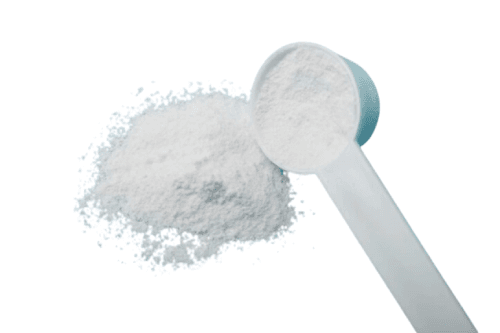
L-Glutamine
As amino acids go, glutamine is one of the most important. The form found in our bodies, our diet, and our supplements is known as L-glutamine. Proteins are built from amino acids and there is more glutamine in us than any other amino acid. Although a well-balanced diet provides a normal supply of glutamine, there are times when we are more active, so our bodies need more of it. Foods that are animal based have a higher concentration of glutamine because of the high protein content they contain. Adding a glutamine supplement is a good idea to ensure you have enough of a supply for when it is needed.
If you have an active lifestyle and strength train, are in your 50s and watching your health, or you are generally health conscious, you will require more glutamine than your diet provides.

There are several benefits to glutamine supplementation which include:
It Supports The Immune System
Glutamine has a powerful effect on the immune system. That is because it provides immune cells with fuel. These cells include white blood cells and several intestinal cells. There have been studies that show glutamine use may reduce infection which improves health. The body does not produce as much glutamine when healing from an injury or when you are sick. Supplementation helps increase glutamine reserves.
It Helps Intestinal Health
The largest part of the immune system in your body is your intestines. This is because intestinal cells contain immune functions. Because glutamine gives intestinal and immunity cells fuel, it aids in intestinal health. Glutamine also prevents any bacteria from the intestines from entering your body through the intestinal wall. Plus, glutamine assists the growth of intestinal cells.
Glutamine And Muscle Gain And Performance
Glutamine is an important building block for protein development and this has a connection to exercise performance and muscle strength. While there have been studies, the results are not firm. What they have found is that glutamine supplements do not have a significant impact on muscle strength or mass building. But some data points to glutamine use as being beneficial for reducing muscle fatigue or soreness experienced while engaged in an activity or afterward.
How To Use L-Glutamine
If you eat a well-balanced diet, you should be getting anywhere from 3 to 6 grams of glutamine into your body. If you have an active lifestyle such as being a strength trainer, or if you are health conscious or in your 50s and watching your health, you could increase that amount through supplementation. Adding between 5 and 45 grams per day is not unusual depending on your level of activity. Naturally, the more active you are, the more glutamine you will need. It is also important to note that glutamine is effective in short-term use. Glutamine side effects have been researched and results are not conclusive but using it on a long-term basis is not recommended.
Where To Find Glutamine
A reliable source for L-glutamine supplements is SBD Supps. You can buy them now by visiting their online store HERE.
In Conclusion
The most abundant amino acid in our body is glutamine. Although we can produce it naturally, and we can get enough of it from our diet, supplements ensure we have as much as we need. Glutamine is a protein-building block that supports both intestinal and immune health. It may also be effective in treating muscle soreness and fatigue during and after intense activities or exercise.
FAQ’s
Where can I find glutamine in my diet?
Glutamine is in most foods, but animal products (eggs, beef, skim milk) have higher concentrations of it. It is also in various plant sources (white rice, corn).
What are the benefits of using glutamine?
If you require immune support or suffer from poor intestinal health, glutamine can be beneficial to you. It may also be effective in battling muscle fatigue and soreness often experienced during and after activity.
Who benefits from glutamine?
Athletes and bodybuilders commonly use glutamine. This is because the intense activities they participate in will reduce the glutamine they have in their bodies. Others who can benefit from it include anyone with immune system issues and those suffering from intestinal and stomach problems.
What does the "L" in L-Glutamine mean?
Many molecules in the body have two forms. They are mirror images of one another, not identical. Glutamine is one of these molecules. It comes in L-glutamine and D-glutamine. The “L” denotes levo or left. The “D” denotes dextro or right. Your body relies more on L-glutamine than it does D-glutamine.
What is a normal dose of glutamine?
A well-balanced diet should provide you with between 3 and 6 grams of glutamine daily. If you are active, you will want to increase that amount with supplements. Depending on your activity level, you can safely add between 5 and 45 grams per day.